AIRBUS UNVEILS THE LIGHT TWIN-ENGINED H140 AT VERTICON 2025
Dallas, Texas – March 11, 2025 – Airbus Helicopters has officially introduced the H140, a next-generation light twin-engine helicopter, at VERTICON 2025. Designed to meet the growing demands of emergency medical services (EMS), passenger transport, and private aviation, the H140 brings enhanced performance, efficiency, and comfort, making it a standout addition to Airbus’ rotorcraft lineup.
The unveiling has already attracted major industry players, with Global Medical Response signing an agreement for up to 15 H140 helicopters, while ADAC Luftrettung and ÖAMTC Flugrettung have placed a combined order for ten aircraft.
Bruno Even, CEO of Airbus Helicopters said
Positioned as an evolution of the H135, the H140 integrates operator feedback to create a more capable, spacious, and efficient helicopter.
The H140 is a direct response to our customers' evolving mission requirements. By leveraging advanced technologies such as our Bluecopter research program, we have optimized the aircraft for superior payload capacity, range, and overall performance.
At the VERTICON event, Airbus showcased a full-scale model in an EMS configuration, highlighting the aircraft’s enhanced cabin space, accessibility, and mission flexibility—features that have already drawn interest from leading air medical and rescue operators.
Key Features Driving Demand
1. Optimized Aerodynamics & Reduced Noise
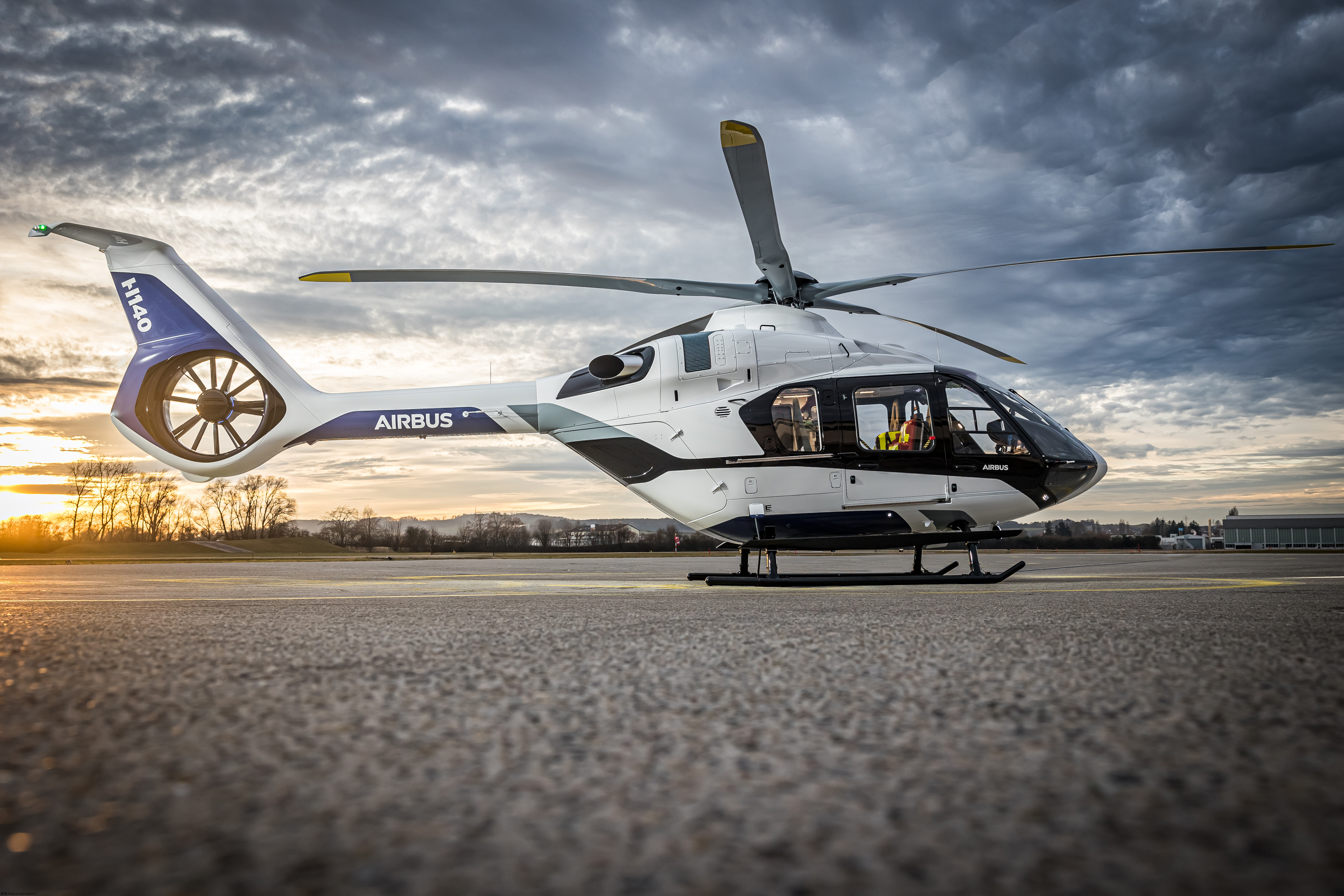
A new T-shaped tail boom with an optimized Fenestron reduces noise levels while improving directional control.
The five-blade bearingless main rotor, first introduced on the H145, enhances efficiency, reduces maintenance, and improves passenger comfort.
2. A Spacious and Accessible Cabin
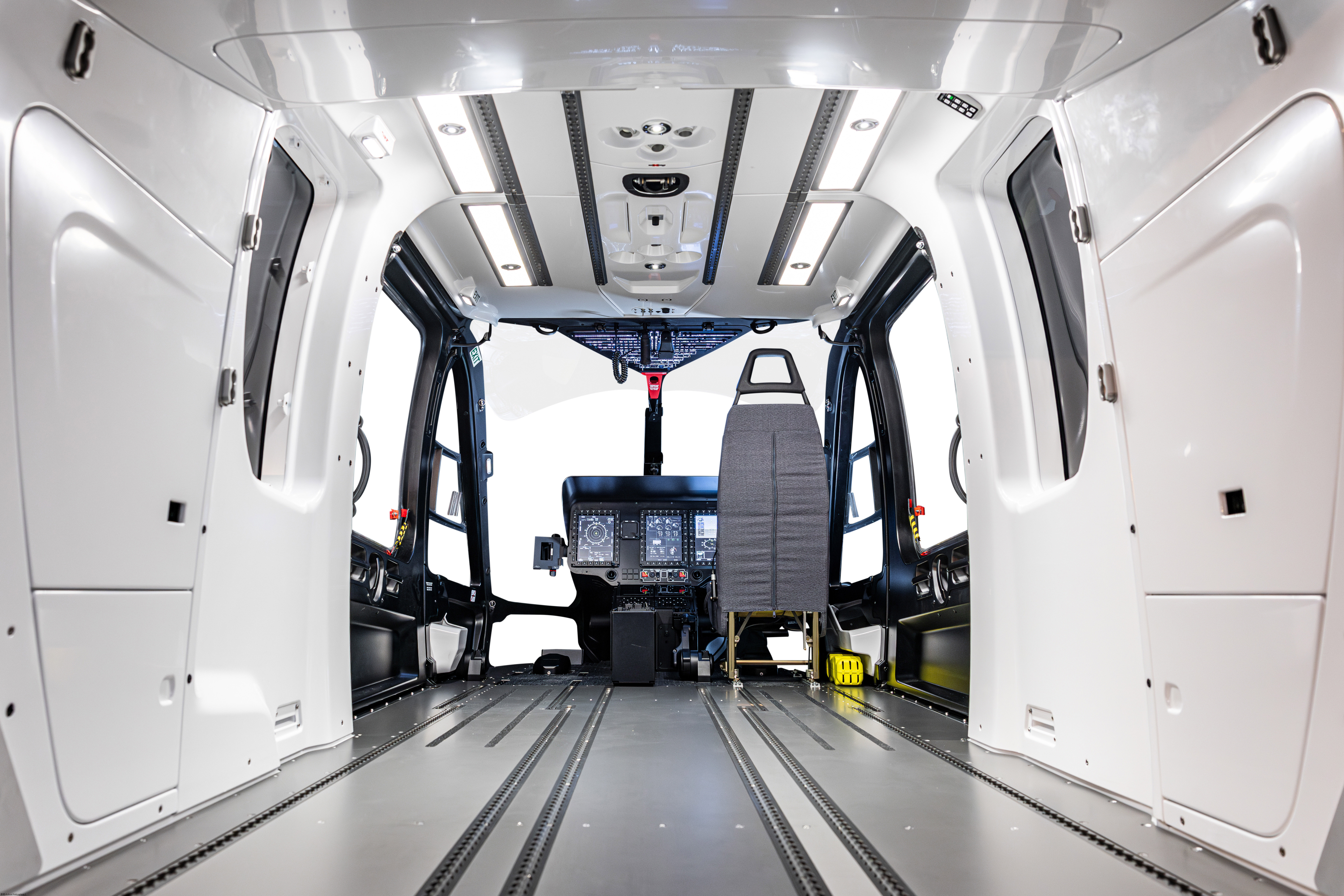
The larger cabin provides enhanced seating capacity and flexible mission configurations.
Large windows improve visibility for pilots and passengers alike.
Large clamshell rear doors and a high tail boom allow easy stretcher loading—a key factor for EMS operators like Global Medical Response, ADAC Luftrettung, and ÖAMTC Flugrettung.
3. Industry-Leading Performance & Safety
Powered by two Safran Arrius 2E engines producing 700 shp, the H140 offers best-in-class payload and range.
A dual-channel Full-Authority Digital Engine Control (FADEC) ensures reliable power management, improving safety in one-engine-inoperative (OEI) scenarios.
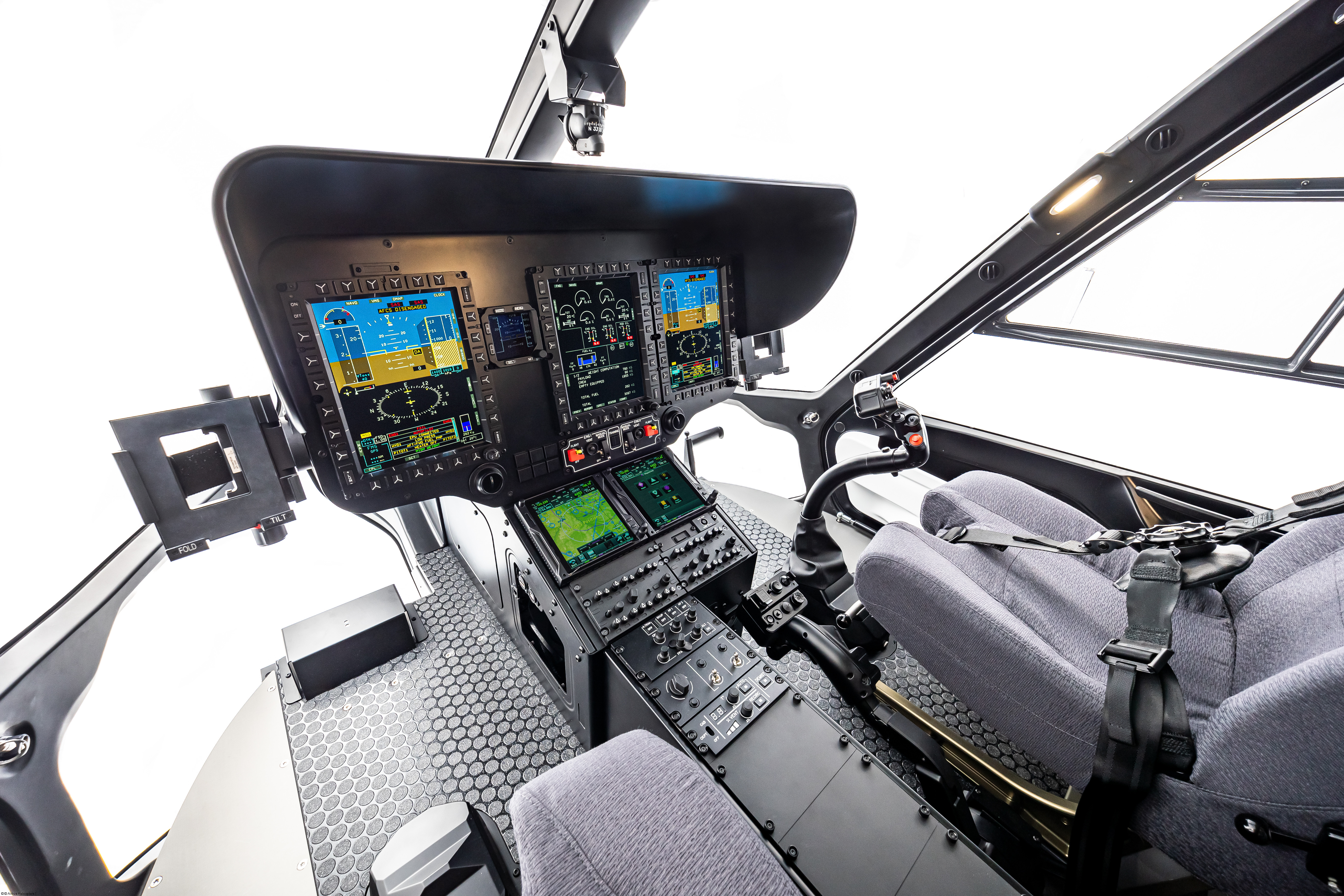
The Helionix avionics suite, already featured on the H135, H145, H160, and H175, provides advanced situational awareness, reduced pilot workload, and a state-of-the-art 4-axis autopilot system.
Major Operators Place Orders for the H140
Recognizing the H140’s superior capabilities, several major EMS and rescue operators have signed agreements to integrate the aircraft into their fleets:
Global Medical Response (GMR) has placed an order for up to 15 H140 helicopters, reinforcing its commitment to enhancing air medical services across North America.
ADAC Luftrettung (Germany) and ÖAMTC Flugrettung (Austria) have secured a total of ten H140 helicopters, aiming to modernize their life-saving air rescue fleets.
First Flights & Entry into Service
Four dedicated H140 prototypes are currently undergoing flight testing at Airbus’ Donauwörth facility in Germany. The aircraft is expected to enter service in 2028, with EMS operators leading the initial deliveries.
With cutting-edge technology, mission versatility, and reduced operating costs, the H140 is poised to redefine the light twin-engine helicopter market. The strong early demand from leading medical and rescue operators underscores its potential as a go-to aircraft for critical missions.
Stay tuned as the H140 progresses through testing and certification—this next-generation helicopter is set to make an impact on air medical and rescue operations worldwide.
#AirbusH140 #HelicopterInnovation #VERTICON2025 #NextGenHelicopters #AviationNews #EMSHelicopters #AirRescue


Comments
Post a Comment